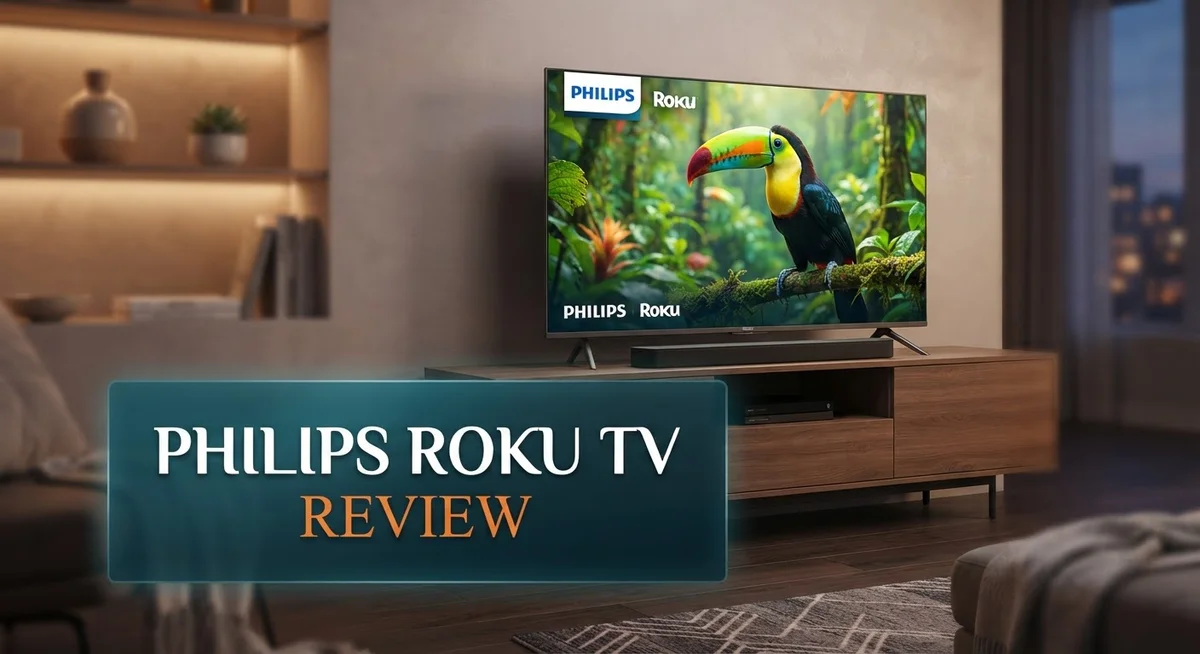
Philips Roku TV Review: Is It Worth Your Money In 2026?
Looking for a smart TV that just works? The Philips Roku TV lineup might be your answer.
These TVs blend Philips display technology with the simple Roku OS. You get 4K UHD picture, HDR support, and access to 300+ free channels.
From the 4700 Series to the stunning 974 Series OLED, Philips offers options for every viewer. Some models even feature Ambilight, which adds glowing light behind your screen for a immersive viewing experience.
Gamers will love the low input lag. Movie fans will enjoy the Quantum Dot color on premium QLED models.
But is this TV lineup truly reliable? We tested the features, checked real user feedback, and compared each series.
This review covers everything you need. Let’s find out if a Philips Roku TV deserves a spot in your living room.
In a Nutshell
-
Four distinct series cater to different needs. The lineup spans the 4700 Series 4K UHD LED up to the flagship 974 Series OLED.
-
The 7985 Series adds Ambilight technology. This feature projects light behind the screen for an immersive glow.
-
Roku OS powers every model. You get voice control, AirPlay support, and access to 300+ free channels.
-
Picture quality shines with HDR10 support. Premium QLED models use Quantum Dot technology for richer colors.
-
The 974 Series OLED offers a 120Hz native refresh rate. This makes fast action scenes look smooth.
-
Low input lag makes these TVs great for gamers. Response times stay quick during intense sessions.
-
Software updates happen automatically. You never miss a new feature or security patch.
-
Some reliability concerns exist. Users report occasional audio and video dropouts on certain units.
-
Long term durability feedback remains limited. It’s still early to judge how these TVs hold up over years of use.
Display Quality and Picture Performance
The Philips Roku TV lineup delivers solid picture performance across all models. Each series brings different strengths to the table, so let’s break down what you actually see on screen.
The 4700 Series starts with 4K UHD resolution and HDR10 support. You get crisp details and better contrast compared to standard HD. The colors look natural, and dark scenes don’t feel washed out. This series works well for everyday viewing like streaming shows and movies.
Step up to the 7900 Series QLED, and you notice a real difference. Quantum Dot technology boosts color brightness and accuracy. Reds appear richer. Blues pop more. The overall picture feels more vibrant without looking fake or oversaturated.
The 7985 Series takes QLED further and adds Ambilight. This feature projects light around the back of the TV that matches what’s on screen. Your eyes perceive deeper blacks and a wider viewing experience. It sounds gimmicky, but many users find it genuinely enhances immersion during movies and gaming.
The 974 Series OLED represents the premium option. Each pixel produces its own light, so blacks are truly black. You get infinite contrast ratios and zero blooming around bright objects. The 120Hz native refresh rate keeps motion smooth and crisp. Sports and action scenes look exceptionally clean.
All models support HDR10, which means compatible content shows improved brightness levels and more color information. Streaming apps like Netflix and Disney+ deliver noticeably better picture quality on these TVs.
Gaming performance stands out across the entire lineup. Low input lag means your controller responds instantly on screen. Competitive gamers appreciate this responsiveness. Fast action games feel more reactive and less sluggish.
One thing to note: some users report occasional picture issues like temporary freezing or audio dropouts. These seem rare but worth knowing about. Software updates roll out automatically to fix problems, though reliability feedback over time remains limited.
Overall, Philips Roku TVs offer strong picture quality at multiple performance levels. You choose based on what matters most to you: budget flexibility, color enhancement, immersive features, or premium OLED performance.

- 4K UHD QLED DISPLAY: Experience richer, more vibrant colors and enhanced picture detail with Quantum Dot technology...
- AMBILIGHT TECHNOLOGY: Take your viewing beyond the screen with built-in rear dynamic LED lighting that adapts in real...
- AMBILIGHT FOR GAMING: Feel the intensity of every battle, race and victory as Ambilight expands the action beyond the...

Last update on 2026-09-30 / Affiliate links / Images from Amazon Product Advertising API
Roku OS and Smart Features
Roku OS powers every Philips TV in this lineup. The interface feels intuitive from day one. You navigate menus with a simple remote that doesn’t overwhelm you with buttons.
The operating system includes 300+ free channels built in. You get instant access to streaming apps, live TV guides, and entertainment options. AirPlay support means you can mirror content from your Apple devices directly to the screen.
Voice control works across all models. Just speak commands to search for shows, adjust volume, or launch apps. The system understands natural language, so you don’t need to memorize special phrases.
Software updates arrive automatically. Philips pushes security patches and feature improvements without requiring any action from you. Your TV stays current and protected without manual intervention.
The Roku interface organizes content intelligently. It learns what you watch and suggests similar shows and movies. The home screen adapts to your viewing habits over time.
Smart features extend beyond streaming. These TVs integrate with smart home systems. You can control compatible devices from your TV or use voice commands to manage your home setup.
Automatic software updates keep the system running smoothly. Bug fixes and performance improvements roll out regularly. You never need to worry about outdated firmware causing problems.
One important note: some users report occasional glitches with the Roku OS. Audio dropouts happen rarely, and video pausing occurs in isolated cases. These issues appear scattered across different models rather than widespread problems.
The remote feels comfortable in your hand. Physical buttons respond quickly. The layout follows standard conventions, so switching from other remotes feels natural.
Roku OS includes a built in search function that spans multiple apps simultaneously. You type a show title once, and it shows you where that content lives across your subscribed services.
Overall, the Philips Roku TV operating system prioritizes simplicity and speed. It doesn’t ask you to learn complex menus or navigate confusing settings. The focus stays on getting you to entertainment fast. Whether you stream movies, watch live TV, or use voice commands, the experience remains straightforward and responsive.
Gaming and Input Lag Performance
Gaming on a Philips Roku TV delivers responsive performance that serious players appreciate. The key metric here is input lag, and these TVs excel in this area.
Input lag measures the delay between pressing a controller button and seeing the action on screen. Lower numbers mean faster response times. Philips Roku TVs keep this delay minimal, so your gaming feels smooth and immediate. This matters most in fast paced games like shooters, fighting games, and racing titles.
The 974 Series OLED model stands out with its 120Hz native refresh rate. This higher refresh rate means the display updates more frequently each second. You get fluid motion and crisp visuals during intense gaming sessions. The OLED panel also eliminates motion blur that can hurt competitive gaming.
The 7900 Series QLED and 7985 Series models perform well too. They maintain low input lag while delivering vibrant colors through their Quantum Dot technology. These TVs handle HDR gaming content beautifully, showing more detail in dark and bright areas of games.
Gaming mode exists on these TVs to optimize performance further. When activated, the TV reduces processing delays and disables unnecessary features. This fine tunes the display specifically for gaming needs.
Roku OS doesn’t interfere with gaming performance. The operating system runs smoothly in the background without creating lag. You can switch between gaming apps and streaming services without slowdowns.
One consideration: the 4700 Series still offers solid gaming performance despite being the entry level model. You don’t need the premium tier to enjoy responsive gameplay.
Controller compatibility extends across multiple gaming platforms. Whether you use standard remotes, gaming controllers, or streaming device remotes, the TVs respond quickly. This flexibility lets you game your way without compatibility headaches.
Overall, Philips Roku TVs position themselves as gamer friendly displays. The combination of low input lag, high refresh rates on premium models, and clean software creates an environment where your gaming skills shine through without technical frustration holding you back.
Top 3 Alternatives
Samsung QLED TV

- SAMSUNG 85 INCH NEO QLED DISPLAY – Experience immersive large-screen entertainment with an expansive 85 inch display...
- MINI LED BACKLIGHT TECHNOLOGY – Advanced Neo QLED Mini LED technology enhances brightness control, contrast, and...
- 4K UHD RESOLUTION WITH HDR – Enjoy stunning Ultra HD clarity and enhanced HDR performance that brings movies, sports...
Last update on 2026-09-30 / Affiliate links / Images from Amazon Product Advertising API
Samsung QLED TVs offer stunning picture quality with quantum dot technology. These TVs produce bright, vibrant colors that stay consistent from different viewing angles. The contrast levels are impressive, making dark scenes look deep and rich.
Samsung’s smart TV platform runs smoothly and includes access to popular streaming apps. The remote control feels premium and works reliably. Many users appreciate the sleek design that looks modern in any living room.
LG OLED TV

- OLED Technology: Celebrating 12 years of perfecting award-winning OLED TV technology
- Brightness Booster: Our Brightness Booster technology magnifies each individual pixel for luminous quality that shines...
- Bright Room Ready: Verified by UL for Discomfort Glare Free (UGR less than 22), you can be confident your LG OLED TV...
Last update on 2026-09-13 / Affiliate links / Images from Amazon Product Advertising API
LG OLED TVs deliver exceptional picture quality with perfect blacks. Each pixel produces its own light, so the TV doesn’t need a backlight. This means you get true contrast and incredible detail in every scene.
LG’s webOS platform is intuitive and fast. The TV responds quickly to remote commands. Gaming performance is excellent with low input lag. These TVs also support advanced features like variable refresh rates for console gaming.
TCL Roku TV

- Real 4K HDR picture: A true 4K UHD (3840x2160) panel with Open HDR, HDR10, HDR10+, and HLG support delivers sharper...
- Smooth, clear motion: Motion Rate 240 with MEMC reduces blur and judder during fast-moving sports, action movies, and...
- Your next Roku TV: One simple home screen puts live local news, sports, movies, and thousands of free and paid streaming...
Last update on 2026-09-30 / Affiliate links / Images from Amazon Product Advertising API
TCL Roku TVs combine affordability with solid performance. The Roku operating system is user-friendly and includes thousands of apps. You can access all major streaming services without extra devices.
TCL’s picture quality continues to improve with newer models featuring better color accuracy and brightness. The TV’s design is clean and fits well in modern homes. Roku’s voice remote makes searching for content simple and fast.
All three options provide different strengths. Samsung excels in brightness and color. LG shines with contrast and gaming features. TCL offers great value with the popular Roku system.
Design, Build Quality, and Ambilight Technology
Philips Roku TVs come with thoughtful physical design that feels modern and clean. The bezels stay slim across all models, so your content takes center stage. The stand sits sturdy on your entertainment console and won’t wobble during casual viewing.
Build quality varies by model tier. The 4700 Series uses standard LED construction that holds up well for everyday use. Step up to the 7900 Series QLED, and you’ll notice more premium materials throughout the frame. The 7985 Series and 974 Series OLED feature even more refined construction with heavier gauge metals and reinforced panels.
Ambilight technology appears on the 7985 Series QLED model and creates an immersive viewing experience. This feature projects colored light onto your wall behind the TV. The light syncs with what’s happening on screen in real time. If you’re watching an action scene with explosions, the wall glows with matching colors. During a calm nature documentary, the lighting becomes soft and subtle.
Ambilight works during movies, shows, and even gaming sessions. You can adjust the intensity or turn it off entirely through settings. Many viewers find it reduces eye strain during extended watching periods. The technology adds depth to your room without requiring extra equipment.
The physical remote feels comfortable to grip. Buttons respond immediately without requiring hard presses. The layout keeps controls simple and intuitive. You won’t fumble searching for what you need.
All Philips Roku TV models include wall mounting capability. VESA compatibility makes installation straightforward with standard brackets. Cable management ports hide wires neatly behind your wall mount setup.
One thing to keep in mind: some users report occasional durability concerns with long term use. Audio and video connections can sometimes experience minor dropouts after extended periods. These issues remain relatively rare, but worth knowing about before purchase.
Overall, Philips Roku TVs deliver solid construction at every price point. The design philosophy prioritizes both aesthetics and functionality. Ambilight technology on higher models genuinely enhances the viewing experience and sets these TVs apart from competitors.
Reliability and Durability Concerns
Philips Roku TVs show mixed results when it comes to long term reliability. Some owners report audio and video dropouts that appear randomly during normal viewing. These glitches interrupt your show or movie unexpectedly.
Video pausing issues also emerge in user reports. The TV may freeze momentarily, then resume playback. This happens more often on certain Roku OS versions than others. Software updates sometimes fix these problems, but not always completely.
The good news is that Philips pushes automatic updates to keep your system current. This helps address bugs faster than older TV platforms. However, the updates don’t eliminate all reliability concerns reported by customers.
Build quality varies depending on which model you choose. The 4700 Series offers basic construction that holds up reasonably well. The 7900 Series QLED and 7985 Series models use stronger materials overall. The 974 Series OLED features premium components throughout.
Physical durability seems solid across all tiers. Panels resist minor impacts, and bezels feel sturdy. Wall mounting brackets attach securely without wobbling. Remote buttons maintain responsiveness after months of regular use.
Heat management presents a minor concern on some units. Extended gaming sessions or continuous streaming can cause the TV to warm up more than expected. Proper ventilation around your TV helps prevent overheating issues.
The biggest reliability question involves the Roku OS itself. Software glitches appear more frequently than hardware failures. Restarting the TV usually resolves temporary freezing or audio sync problems. Factory resets fix more stubborn issues when they occur.
Long term durability feedback remains limited in available reviews. Most owners keep their Philips Roku TVs for three to five years without major problems. Some experience issues sooner, while others report trouble free operation for longer periods.
Your experience depends heavily on which model you purchase and how you use it. Gaming heavy users encounter fewer problems than those who stream constantly. Proper setup and regular maintenance extend the TV’s lifespan significantly. Warranty coverage provides peace of mind during the first few years of ownership.
Pros and Cons
Pros
- Roku OS makes navigation simple and fast, with no learning curve required
- Picture quality shines with HDR support and Quantum Dot technology on QLED models
- Low input lag keeps gaming smooth and responsive across all series
- Automatic software updates keep your TV secure without manual effort
- Ambilight on the 7985 Series creates an immersive glow that matches your content
Cons
- Audio and video dropouts happen occasionally, frustrating viewers mid-show
- Some units experience pausing issues that interrupt your viewing experience
- Long term durability remains unclear due to limited user feedback over extended periods
- Heat management concerns appear on certain models during extended use
Who Should Buy It
Philips Roku TVs work best for viewers who want simple streaming without complexity. You’ll enjoy this TV if you prefer a straightforward interface over confusing menus. The Roku OS learns your habits and suggests shows you might like.
Gamers find these TVs appealing because of low input lag during gameplay. Your actions on screen happen instantly without delay. This matters if you play fast action games or sports titles regularly.
If you watch movies often, the 7985 Series QLED with Ambilight suits you well. The ambient light effect matches your content and creates an immersive atmosphere. You get enhanced color depth from Quantum Dot technology on premium models. HDR support brings out shadow details and bright highlights in films.
Families appreciate the 300+ free channels available through Roku. You access entertainment without extra subscriptions. Voice control lets anyone search shows without remembering exact titles. Kids can use simple voice commands to find their favorite content.
Casual viewers benefit most from the 4700 Series. This entry level option covers basic streaming needs without extra features. You get reliable 4K picture quality and essential apps for daily use.
Consider other options if you need absolute reliability. Some users report occasional audio and video dropouts during viewing. These interruptions can frustrate you mid-show. Pausing issues also emerge in certain units, though not universally.
Long term durability remains uncertain because limited feedback exists from extended use. You should research your specific model before purchasing. Heat management works fine on most units, but some users notice minor concerns.
Wall mounting works on every model if you prefer a clean setup. The physical remote feels comfortable during extended viewing sessions.
Choose Philips Roku if you value ease of use and good picture quality. Skip it if you demand absolute durability guarantees or need advanced gaming features. The TV shines for everyday streaming, movies, and casual gaming. It delivers solid performance across all price tiers without overwhelming complexity.
Final Verdict
Philips Roku TVs deliver a strong streaming experience for most households. The lineup blends solid picture quality with a familiar Roku interface that anyone can operate right away.
Software support stays consistent across the range. This means your TV keeps pace with new apps and features without extra effort on your part.
If you already own other Roku devices, this TV fits right into that ecosystem. Your remotes, profiles, and favorite channels sync smoothly across screens.
The occasional glitches reported by users deserve attention. Weigh these against your own tolerance for minor interruptions during movie nights or gaming sessions.
Every series in this lineup targets a slightly different viewer. Think about your daily habits before picking a specific model.
Do you stream casually or watch intensely? Your answer should guide which Philips Roku TV fits your living room best.
The brand focuses on giving you a smooth, no fuss viewing setup. This approach works well for people who dislike complicated settings menus or clunky remotes.
Overall satisfaction stays high among buyers who prioritize ease of use over flawless perfection. Most viewers report a pleasant experience once they settle into their chosen model.
Before you decide, check current firmware versions on display models if possible. This small step can reveal how recent updates have addressed earlier concerns.
Think about how you plan to use the television daily. Gamers, movie fans, and casual streamers each get something different from this lineup.
In short, Philips Roku TVs succeed at making streaming simple and enjoyable. They may not satisfy buyers who demand flawless reliability every single day.
For most homes, though, these TVs offer a dependable mix of features and comfort. Pick the series that matches your viewing style, and you will likely walk away happy.
Your final choice should reflect what matters most to you: picture quality, gaming response, or a wide channel selection through Roku’s platform.
Frequently Asked Questions
Which Philips Roku TV model is best for gaming?
The 7985 Series QLED and 974 Series OLED both excel for gaming. Both feature low input lag, which keeps your gameplay smooth and responsive. Input lag matters because it reduces the delay between your controller input and what appears on screen.
The 974 Series OLED model offers 120Hz native refresh rate. This makes fast action games feel even more fluid. If you play competitive shooters or racing games, this refresh rate gives you a real advantage.
The 7985 Series costs less than the OLED option. It still delivers excellent gaming performance without the premium price tag. Either choice beats the 4700 Series for serious gamers.
Do Philips Roku TVs have reliability issues?
Some users report occasional audio and video dropouts. These interruptions happen mid-show and can be frustrating. Pausing issues also occur on certain units, though not on every TV.
Most owners still rate their experience positively. The problems seem to affect a portion of users rather than all units. Your experience may differ from what you read online.
Software updates roll out automatically. This keeps your TV secure and adds new features over time. Updates sometimes fix bugs that cause these dropouts.
Can I use Philips Roku TVs if I own other Roku devices?
Yes, absolutely. Philips Roku TVs integrate seamlessly into any Roku ecosystem. Your remote works across devices. Your apps and accounts sync automatically.
If you already use a Roku streaming stick or soundbar, adding this TV feels natural. You skip the learning curve. Everything works together without extra setup steps.
What’s the difference between the 7985 Series and the 4700 Series?
The 7985 Series uses QLED technology with Ambilight. QLED means brighter colors and better contrast. Ambilight creates a colored glow around the TV edges that matches your content.
The 4700 Series is a standard 4K LED TV. It still supports HDR and delivers good picture quality. It’s the simpler, more straightforward option for casual viewers.
Both have Roku OS and access to 300+ free channels. The 7985 Series suits movie lovers and gamers. The 4700 Series works great for families and everyday watching.

Tian is a passionate technology enthusiast and reviewer who explores the latest in AI tools, gadgets, and digital innovations to help readers make informed tech decisions.