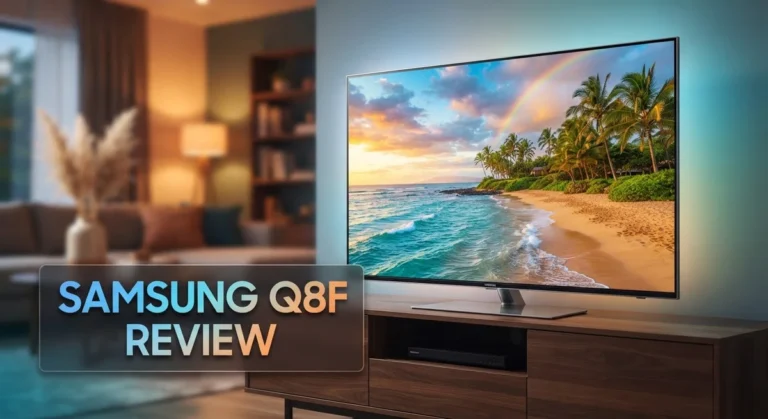

LG UT7570 4K UHD TV Review: Is It Worth Your Money?
Looking for a simple 4K TV that just works? The LG UT7570 might catch your eye.
This TV brings 4K UHD clarity to your living room. It comes in 50″, 55″, and 65″ sizes, so you can pick what fits your space.
Inside, the α5 AI Processor Gen7 powers the picture. It also runs the smart webOS 24 platform, giving you a clean and easy interface.
You get ThinQ AI voice control too. Just speak to search shows or adjust settings.
But how does it perform for daily viewing? Does it handle movies, sports, and games well?
This review breaks down everything about the LG UT7570. We cover picture quality, sound, smart features, and gaming performance.
By the end, you will know if this TV suits your home. Let’s jump into the details.
In a Nutshell
Here’s a quick summary of what the LG UT7570 brings to your living room.
- Display quality: You get 4K UHD resolution across 50, 55, and 65 inch sizes. The edge lit LED panel handles everyday content well but struggles in bright rooms.
- Smart features: The webOS 24 platform feels smooth and easy to use. You can customize your home screen and access apps without any hassle.
- Voice control: ThinQ AI lets you control your TV using simple voice commands. This makes daily use more convenient.
- Motion handling: Action scenes and sports look smooth thanks to the 60Hz refresh rate. Fast moving content does not blur much.
- Limitations to know: This TV skips local dimming and Dolby Vision support. You also miss out on VRR, so gaming enthusiasts might want alternatives.
- Who it suits: This TV works great for casual viewers who want clear 4K pictures. It is not built for dark home theaters or competitive gaming setups.
Overall, the LG UT7570 delivers solid basics without extra frills.
Key Features and Specifications
The LG UT7570 packs essential specs that make 4K viewing accessible to everyday users. This TV comes in three screen sizes: 50, 55, and 65 inches. You pick the one that fits your space best.
4K UHD resolution sits at the core of this model. Your shows, movies, and games display with four times the pixels of standard HD. Details pop on screen, and text stays crisp even from closer viewing distances.
The α5 AI Processor Gen7 handles the heavy lifting behind the scenes. This chip upscales lower resolution content to near 4K quality. Older shows and streaming services look better than they would on a basic TV.
WebOS 24 powers the smart features. This operating system feels quick and responsive. Apps load fast, and menus stay simple. You won’t hunt through confusing settings to find what you need. The interface lets you customize your home screen too.
ThinQ AI voice control lets you speak commands instead of clicking remotes. Say things like “turn up volume” or “switch to Netflix.” The TV understands natural speech and responds quickly.
Motion handling reaches 60Hz refresh rate capability. Sports broadcasts and action movies flow smoothly across the screen. You see less blur during fast camera pans and quick scene changes.
The panel uses edge lit LED backlighting. This keeps costs down compared to premium options. However, it means the TV cannot dim individual zones on screen. Dark scenes lack the depth you’d see on higher end models.
HDR10 and HLG support brings enhanced colors and brightness to compatible content. You get wider color ranges and better shadow detail. Note that this TV skips Dolby Vision, which some streaming apps offer.
The display sits at standard brightness levels. In bright rooms with lots of windows, you might notice glare. Reflections can wash out the picture during daytime viewing.
These specs combine to create a straightforward 4K experience. The TV focuses on essentials: clear images, smart features, and smooth motion. It skips premium features that push costs higher.

- 4K UHD TV: Everything you need to bring your favorite content to life with the power of 4K and the extras you crave.
- WEBOS 24: No matter which TV you choose, your LG TV makes it easier than ever to find what you need and more. Browse all...
- a5 AI PROCESSOR GEN7: Enhanced brightness, improved sound, refined picture detail. It all comes together for a thrilling...
Last update on 2026-09-30 / Affiliate links / Images from Amazon Product Advertising API
Picture Quality and Display Performance
The LG UT7570 uses an edge lit LED panel to deliver its 4K picture. This setup keeps costs down while still bringing sharp, clear images to your screen. The α5 AI Processor Gen7 works behind the scenes to enhance what you watch, upscaling lower resolution content and smoothing out rough edges.
Colors look vibrant on this TV. The panel handles standard color ranges well, making movies and shows feel natural. Skin tones appear balanced, and bright scenes pop without looking oversaturated. You will notice the difference between streaming in standard HD and native 4K content right away.
However, this TV has real limits in darker rooms. The display sits on the dimmer side, which means blacks don’t feel as deep as pricier models. Without local dimming, the TV cannot brighten specific zones of the screen independently. This means contrast stays flat during night scenes or dark movies. Bright rooms pose another challenge because the panel struggles with reflections and glare.
HDR10 and HLG support bring some brightness boost to compatible content. You get enhanced color and detail in HDR enabled shows and films. That said, the lack of Dolby Vision means you miss out on an advanced HDR format. Many streaming apps now use Dolby Vision, so this is worth knowing.
Motion handling shines for sports and action content. The 60Hz refresh rate keeps fast moving scenes smooth without judder. Whether you watch football games or martial arts movies, motion stays clean and easy to follow.
The bottom line for picture quality: The LG UT7570 delivers solid 4K sharpness and smooth motion for everyday viewing. Colors stay natural and content looks crisp. This TV works best in normal lighting conditions where you can enjoy its strengths. If you watch mostly in dark rooms or want cinema grade contrast, you may feel disappointed. For casual viewers who want clear 4K pictures without extra features, this display performs its job well.
Smart TV Platform and User Interface
The webOS 24 platform on the LG UT7570 stands out as a major strength. The interface feels clean and responsive, making it simple to find your favorite apps and content. You can rearrange tiles on the home screen to match your habits.
ThinQ AI voice control changes how you interact with this TV. Instead of hunting through menus, you simply speak commands. Ask the TV to open Netflix, adjust volume, or search for shows. The voice recognition works well in most situations.
The smart TV experience includes access to popular streaming apps right out of the box. Netflix, YouTube, Prime Video, and other services load quickly. The webOS ecosystem keeps everything organized in one place.
Customization options let you personalize your viewing experience. You can set up profiles for different family members. Each person gets their own recommendations and watch history. Kids can use a separate profile with parental controls built in.
Navigation feels intuitive even for first time users. The remote has dedicated buttons for major apps, so you do not need to dig through menus constantly. The layout avoids clutter and confusion.
The α5 AI Processor Gen7 powers the smart features behind the scenes. This chip helps the TV learn your viewing habits over time. Recommendations improve as the TV learns what you watch most.
One thing to note: webOS 24 works smoothly for everyday tasks. Switching between apps happens without lag. Menus respond instantly to remote clicks.
The platform does not include advanced gaming features like VRR or HDMI 2.1 bandwidth. If you play games on console, you will notice the 60Hz refresh rate keeps things standard. This TV focuses on casual viewing rather than gaming performance.
Overall, the webOS 24 interface makes the UT7570 easy to use for anyone. Whether you are tech savvy or prefer simple controls, the platform adapts to your style. The voice control and customization options add real value to the everyday viewing experience.
Top 3 Alternatives
Samsung UT7570

- Compatible with: UN65TU7000FXZA UN75TU7000FXZA UN55TU700DFXZA UN55TU7000FXZA UN70TU7000FXZA UN82TU700DFXZA...
- Netflix Hotkey
- Requires 2x AAA batteries (No batteries included).
Last update on 2026-09-30 / Affiliate links / Images from Amazon Product Advertising API
The Samsung UT7570 offers a strong alternative for viewers seeking reliable performance. This model delivers clear picture quality with good brightness levels for most viewing environments. You get a straightforward interface that makes navigation simple and fast.
The TV handles both streaming and cable content well. Colors appear natural without excessive processing. Sound output is adequate for casual viewing, though you may want external speakers for better audio.
Sony Bravia XR

- PURE BLACK OLED CONTRAST: Over 8 million self-lit pixels are precisely controlled to produce pure black with high...
- POWERFUL TV PROCESSING: XR Processor intelligently enhances every scene in real-time boosting color, contrast, and...
- EVERYTHING YOU STREAM. ALL IN ONE SCREEN: Get access to all your favorite streaming apps in one place with Google TV...

Last update on 2026-09-30 / Affiliate links / Images from Amazon Product Advertising API
Sony’s Bravia XR line brings advanced processing to the table. This series uses intelligent upscaling to enhance lower-resolution content smoothly. The picture appears more lifelike thanks to Sony’s motion technology.
Gaming fans appreciate the responsive performance and low input lag. The Bravia XR handles fast-action scenes without blur. Smart TV features work quickly and smoothly across all apps. You’ll notice richer blacks and better contrast compared to basic models.
TCL QM8 Series

- SQD-Mini LED: As the ultimate Mini LED TV, it integrates the expansive TCL Deep Color System with the breakthrough TCL...
- TCL Ultra Color Filter: TCL’s Ultra Color Filter with fine 5 nanometer particles (vs. standard 60 nanometer particles...
- Wide Viewing Angles: Enjoy vibrant colors and perfect contrast, no matter where you sit, thanks to exceptionally wide...
Last update on 2026-09-14 / Affiliate links / Images from Amazon Product Advertising API
TCL’s QM8 Series provides excellent value with solid engineering. This model features mini-LED backlighting that improves contrast significantly. Bright scenes pop with energy while dark scenes maintain detail.
The QM8 handles HDR content impressively well. Colors stay vibrant without looking oversaturated. The TV stays responsive during everyday use, whether you’re browsing menus or streaming shows. Sound quality is respectable for a mid-range option.
Each alternative brings different strengths. Samsung focuses on simplicity and reliability. Sony emphasizes picture processing and gaming features. TCL combines advanced lighting with strong value. Your choice depends on what matters most: straightforward performance, advanced technology, or budget-friendly features.
Design, Build Quality, and Size Options
The LG UT7570 comes in three screen sizes: 50 inches, 55 inches, and 65 inches. This range lets you pick the right fit for your living room or bedroom setup.
The TV’s design follows a clean, modern approach. The bezels stay thin and unobtrusive around the edges. The stand sits sturdy at the base, giving the TV solid support on most entertainment centers.
The cabinet feels lightweight compared to larger premium models. This makes the UT7570 easier to move and install yourself. Wall mounting works smoothly with standard VESA patterns if you prefer that setup instead.
The panel itself uses edge-lit LED backlighting rather than full-array dimming. This design choice keeps the overall thickness slim and manageable. You get a sleek profile that doesn’t stick far out from your wall.
Build quality sits at entry-level standards. The plastic frame and bezels feel adequate for everyday use. They won’t match the premium feel of higher-end LG models, but they hold up fine during normal handling and installation.
The remote included with this TV offers basic controls. The design keeps things simple and intuitive. You also get ThinQ AI voice control as an alternative to button pressing, which adds convenience without extra cost.
One design consideration: the TV’s slim profile means it runs cooler than older models. Ventilation slots on the back allow proper airflow. This helps the electronics stay at safe operating temperatures during extended viewing sessions.
The stand design allows cable management behind the unit. Ports sit on the back panel in accessible locations. Running HDMI cables and power cords becomes straightforward without awkward angles.
The overall aesthetic blends function with simplicity. The UT7570 won’t draw attention as a design statement piece, but it integrates well into most living spaces. The neutral black finish matches standard entertainment setups.
For those wanting a compact 4K option, the 50-inch model offers genuine space-saving benefits. The larger 65-inch version suits spacious rooms without overwhelming the viewing area. All three sizes maintain the same slim, practical design approach.
Audio Performance and Sound Quality
The LG UT7570 delivers audio that handles everyday viewing scenarios well. The TV includes built in speakers that produce clear dialogue and basic sound effects. You’ll notice voices come through distinctly during movies and TV shows.
The audio setup uses a standard speaker configuration. This means sound projects forward from the bottom of the TV. For casual watching, the output remains adequate. Streaming content, news programs, and standard broadcasts all sound acceptable without external speakers.
However, the audio does have real limitations. The speaker system lacks depth for action sequences and explosions. Bass response stays minimal on this entry level model. If you enjoy immersive sound during movies, you’ll notice the difference immediately.
The TV supports basic audio formats. HDR10 content sometimes includes enhanced audio tracks, but the speakers cannot fully utilize them. You won’t experience surround sound effects or spatial audio features. This is a trade off you accept with this class of television.
For music listening through streaming apps, the sound remains functional but not impressive. Spotify, YouTube Music, and similar services work fine. The audio quality suits background listening more than active music enjoyment.
Adding external speakers makes a significant difference if sound matters to you. A soundbar connects easily via HDMI or optical audio output. Many users find this addition transforms the viewing experience completely. The TV includes audio outputs that support this upgrade path.
The ThinQ AI voice control does not extend to audio adjustments. You can control volume and basic settings through the remote. Advanced audio tuning options remain limited compared to premium models.
One practical note: the edge lit LED panel design keeps the TV thin and lightweight. This compact build means audio travels more directly to your ears without room for larger speaker components. The trade off delivers a sleek appearance but limits sound capability.
For apartment living or casual viewing, the audio performs adequately. Sports events sound clear, and dialogue never gets buried. Just understand this TV prioritizes picture quality over sound depth. Your listening experience will be straightforward and functional rather than premium or immersive.
Pros and Cons
Pros
- webOS 24 interface feels smooth and responsive for daily streaming and app navigation
- ThinQ AI voice control lets you search content and control settings hands free
- Motion handling performs well when watching action movies or sports content
- Three size options (50″, 55″, 65″) fit different room layouts and viewing distances
- Edge lit LED design keeps the TV slim and lightweight for easy wall mounting
Cons
- No local dimming means blacks lack depth and contrast stays limited compared to premium models
- Dolby Vision support is missing; only HDR10 and HLG available for HDR content
- Bright room performance suffers due to reflective screen coating and dim peak brightness
- No gaming features like VRR or HDMI 2.1, so console gamers won’t get smooth frame rates
Who Should Buy It
The LG UT7570 works best for specific viewing situations and user needs. If you watch mostly streaming content in normal lighting, this TV delivers what you need.
Casual viewers who prioritize convenience benefit most from this model. The webOS 24 interface makes finding shows and movies simple. ThinQ AI voice control lets you search hands free. You spend less time hunting through menus and more time watching.
Apartment dwellers and renters appreciate the slim, lightweight design. The TV mounts easily on walls without requiring heavy installation equipment. Cable management behind the stand keeps your space clean. The compact form factor fits snugly in smaller living areas.
Sports fans and action movie enthusiasts will enjoy the motion handling. The TV processes fast moving scenes smoothly without stuttering. You get clear visuals during racing sequences and fight scenes. This strength makes it suitable for live sports streaming.
Families with multiple streaming services find value in the app ecosystem. Netflix, Disney Plus, and other platforms load quickly. The processor handles app switching without lag. Everyone in your household gets fast access to their favorite content.
However, this TV is NOT ideal if you sit in bright rooms. The dim display and reflective screen struggle against sunlight and bright lamps. Glare becomes distracting during daytime viewing. You need a darker space for the best experience.
Gamers should look elsewhere. The TV lacks variable refresh rate support. VRR technology prevents screen tearing in games. Without it, fast paced gaming feels less smooth.
Cinephiles seeking premium picture quality will feel disappointed. The lack of local dimming limits contrast. Dolby Vision support is absent. You only get HDR10 and HLG for HDR content. Black levels lack the depth that premium TVs offer.
If you want a second TV for a bedroom or guest room, this model works well. Secondary displays don’t need cutting edge specs. The UT7570 handles casual viewing perfectly in these situations.
Choose this TV when you value ease of use and basic performance over advanced features. It excels at everyday streaming and entertainment. It struggles with demanding viewing environments and premium content experiences.
Final Verdict
The LG UT7570 delivers a simple, no-fuss 4K experience. It suits people who want easy streaming without extra fuss.
This TV shines when you focus on everyday content. News, sitcoms, and casual shows look clear and sharp on the screen.
The webOS platform makes daily use smooth. You get quick access to apps without confusing menus or slow loading times.
ThinQ AI adds a nice touch for hands free control. This feature works well for quick searches and simple commands.
Still, this TV has clear boundaries. Picture quality stays basic compared to higher tier models with better contrast tools.
If you want deep blacks or vivid HDR colors, look at other options. The UT7570 does not compete with premium panels in this area.
Think about your room setup before buying. Dark or moderately lit rooms help this TV perform its best.
Bright spaces cause glare and washed out visuals. Keep this in mind if your living room gets lots of natural light.
The three size options give you flexibility for different spaces. Choose based on your room size and seating distance from the screen.
This model fits well as a secondary screen in many homes. It also works for anyone who wants a straightforward first 4K TV.
Buyers who love movie nights with rich detail should explore other lines. This TV serves basic entertainment needs rather than cinema level performance.
Overall, the LG UT7570 hits its target audience well. It offers decent value for simple streaming and daily viewing habits.
Skip this model if you crave premium contrast or wide HDR support. Pick it if smooth software and voice control matter more to you.
The LG UT7570 does its job for casual entertainment. It keeps things simple, functional, and easy to use every day.
Frequently Asked Questions
Does the LG UT7570 work well for gaming?
No, this TV is not ideal for gamers. The UT7570 lacks VRR (variable refresh rate) support, which means fast-moving games may show screen tearing. The 60Hz refresh rate feels sluggish compared to gaming-focused models. If you play competitive games, consider a TV with higher refresh rates and gaming features instead.
Can I use the LG UT7570 in a bright living room?
This TV struggles in bright spaces. The dim peak brightness and reflective screen coating cause glare and washed out visuals. You’ll see reflections from windows and overhead lights bounce off the display. Best results come in dimly lit rooms or evening viewing. If your living room gets lots of natural light, look at other options with better reflection handling.
What makes the webOS interface special on this model?
The webOS 24 platform is polished and easy to navigate. You access apps, settings, and content without confusion. The ThinQ AI voice control lets you search shows and adjust volume hands free. Daily use feels smooth because everything responds quickly. The interface doesn’t overwhelm you with unnecessary menus or complicated steps.
Is the LG UT7570 good for watching movies?
It depends on what you value. The motion handling works well for action scenes and sports content. However, blacks lack depth due to the edge lit LED design without local dimming. If you watch movies that need rich contrast and vivid HDR colors, premium models deliver better results. This TV suits casual movie nights but not serious film enthusiasts.
Which room setup suits this TV best?
The UT7570 shines as a secondary screen in bedrooms or guest rooms. The slim, lightweight design makes wall mounting simple. The three size options fit different spaces easily. It works great for casual viewers who want a straightforward 4K experience without premium features.

Tian is a passionate technology enthusiast and reviewer who explores the latest in AI tools, gadgets, and digital innovations to help readers make informed tech decisions.